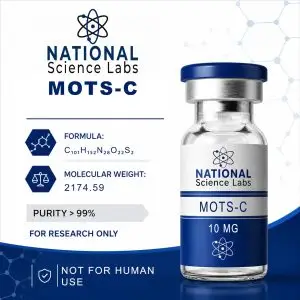
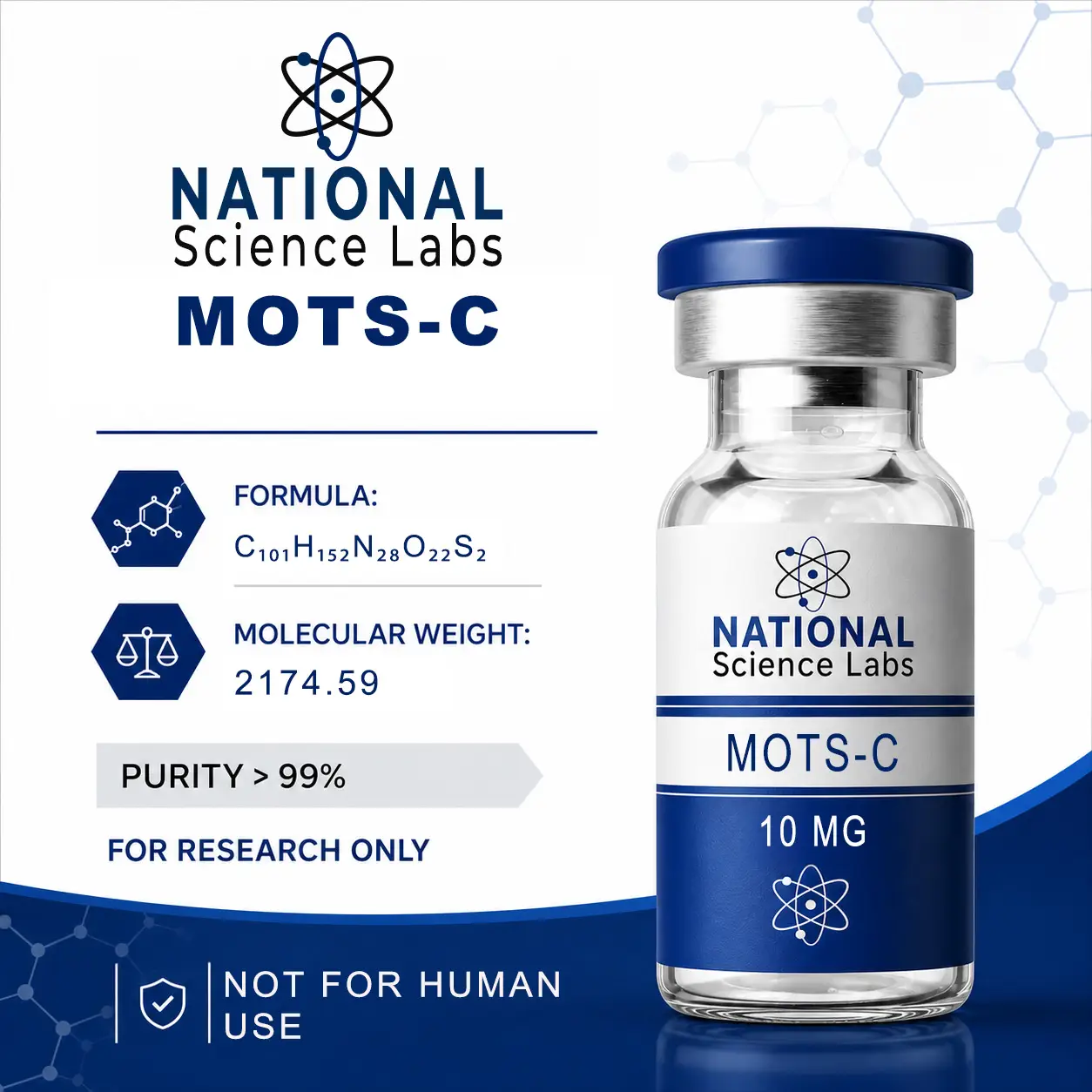
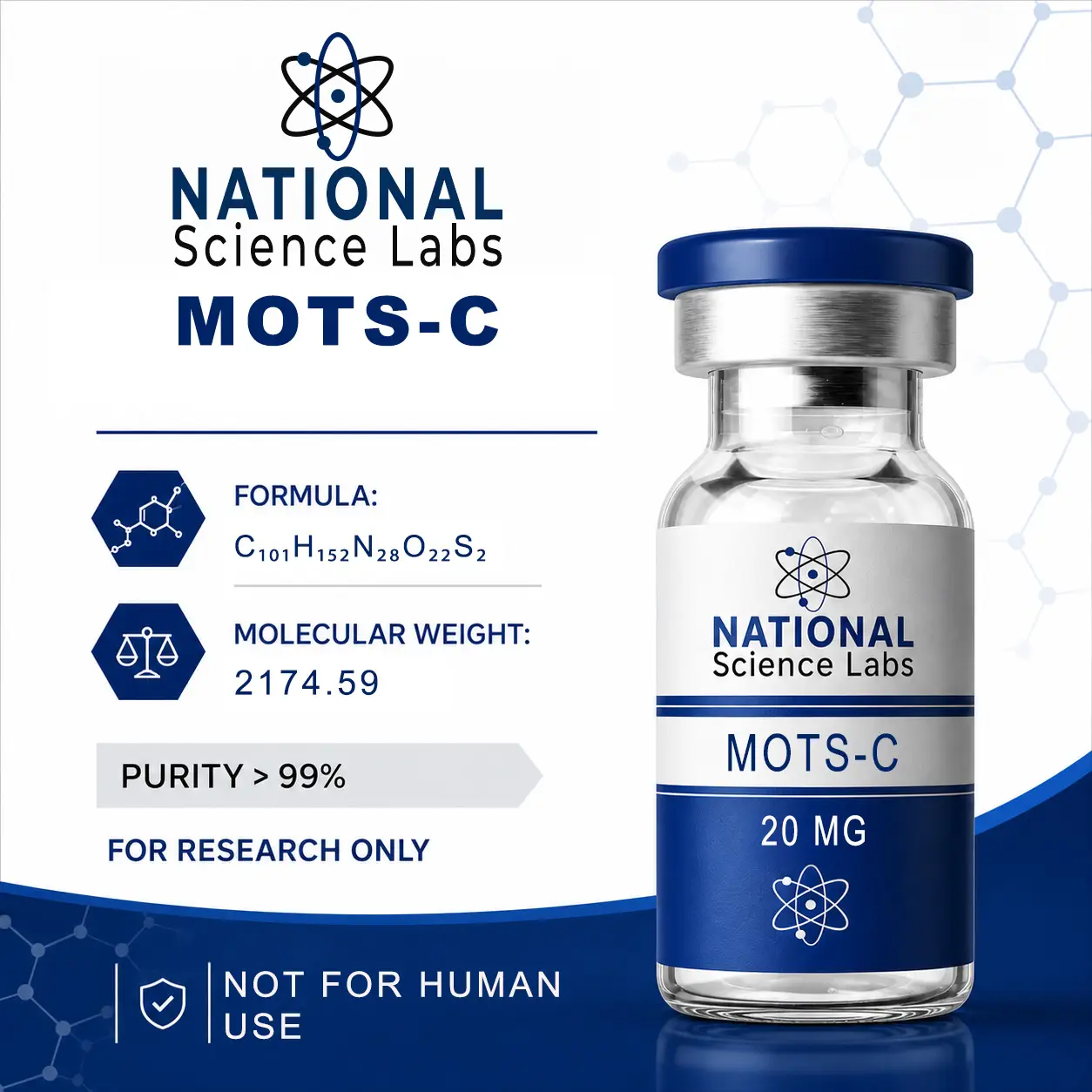
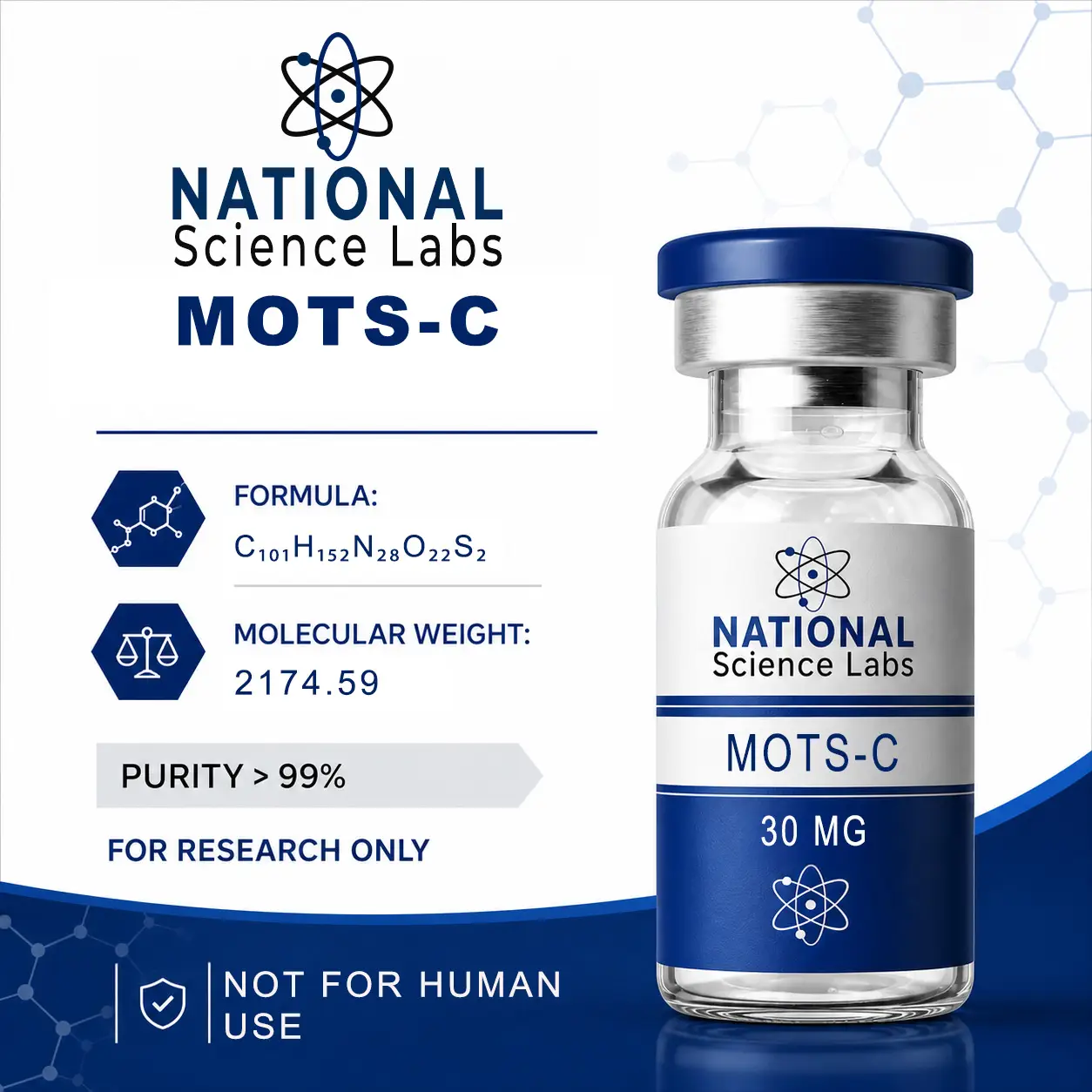
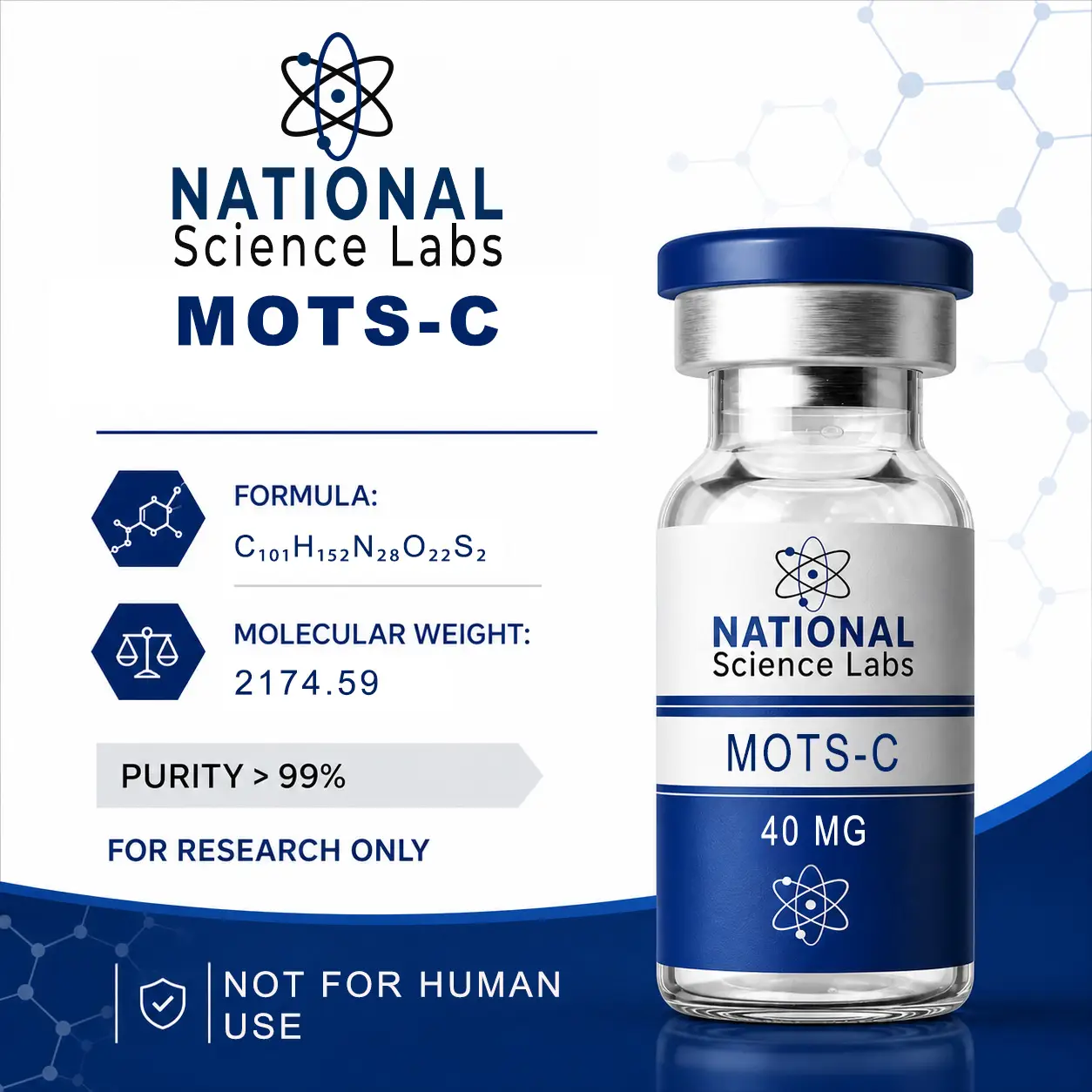
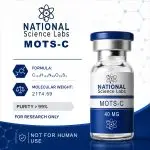
Researchers administer MOTS-c to investigate its translocation to the nucleus during metabolic stress, where it interacts with regulatory elements to influence gene expression profiles. Pre-clinical observations in cell cultures and animal models indicate activation of protective pathways, including AMPK and NRF2, supporting metabolic flexibility and cytoprotective responses.
This mitochondrial-derived peptide facilitates examination of retrograde communication between mitochondria and the nucleus, contributing to adaptive shifts in energy utilization and stress resilience.
Scientific Overview of MOTS-c Applications
Pre-clinical models demonstrate MOTS-c’s role in mitochondrial-nuclear communication:
- Nuclear translocation under metabolic stress to regulate genes containing antioxidant response elements (ARE) via interactions with transcription factors. https://pubmed.ncbi.nlm.nih.gov/30078553/
- Activation of AMPK pathway leading to enhanced glucose uptake and insulin sensitivity in skeletal muscle and adipose tissue models. https://pubmed.ncbi.nlm.nih.gov/25738459/
- Promotion of exercise-like metabolic adaptations, including increased oxidative phosphorylation and physical performance markers in rodent systems. https://pubmed.ncbi.nlm.nih.gov/33473109/
- Modulation of inflammatory cytokine profiles with reduction in pro-inflammatory signals and support for anti-inflammatory pathways in aging models.
- Attenuation of age-related declines in muscle homeostasis, mitochondrial function, and circulating MOTS-c levels in animal studies.
- Regulation of senescence-associated markers and protective responses against metabolic dysfunction in tissue-specific contexts.
For further details on mitochondrial-derived peptides, metabolic signaling, and aging research, refer to the Peptide Sciences or About Peptides sections.
Why Investigators Select National Science Labs MOTS-c
National Science Labs manufactures MOTS-c under stringent GMP-compliant protocols to ensure batch-to-batch consistency and reliability for pre-clinical experiments. Independent third-party testing verifies each lot for:
- Purity ≥99.9% by HPLC
- Structural identity confirmation
- Complete Certificate of Analysis (CoA) documentation provided per batch
For Research Use Only. This product is supplied exclusively for in vitro and in vivo pre-clinical research by qualified investigators. Statements about this peptide have not been evaluated by the FDA.
Initiate Your MOTS-c Research Protocol
Source high-purity MOTS-c from current limited batches to ensure optimal stability and performance in mitochondrial-nuclear signaling and metabolic homeostasis studies.