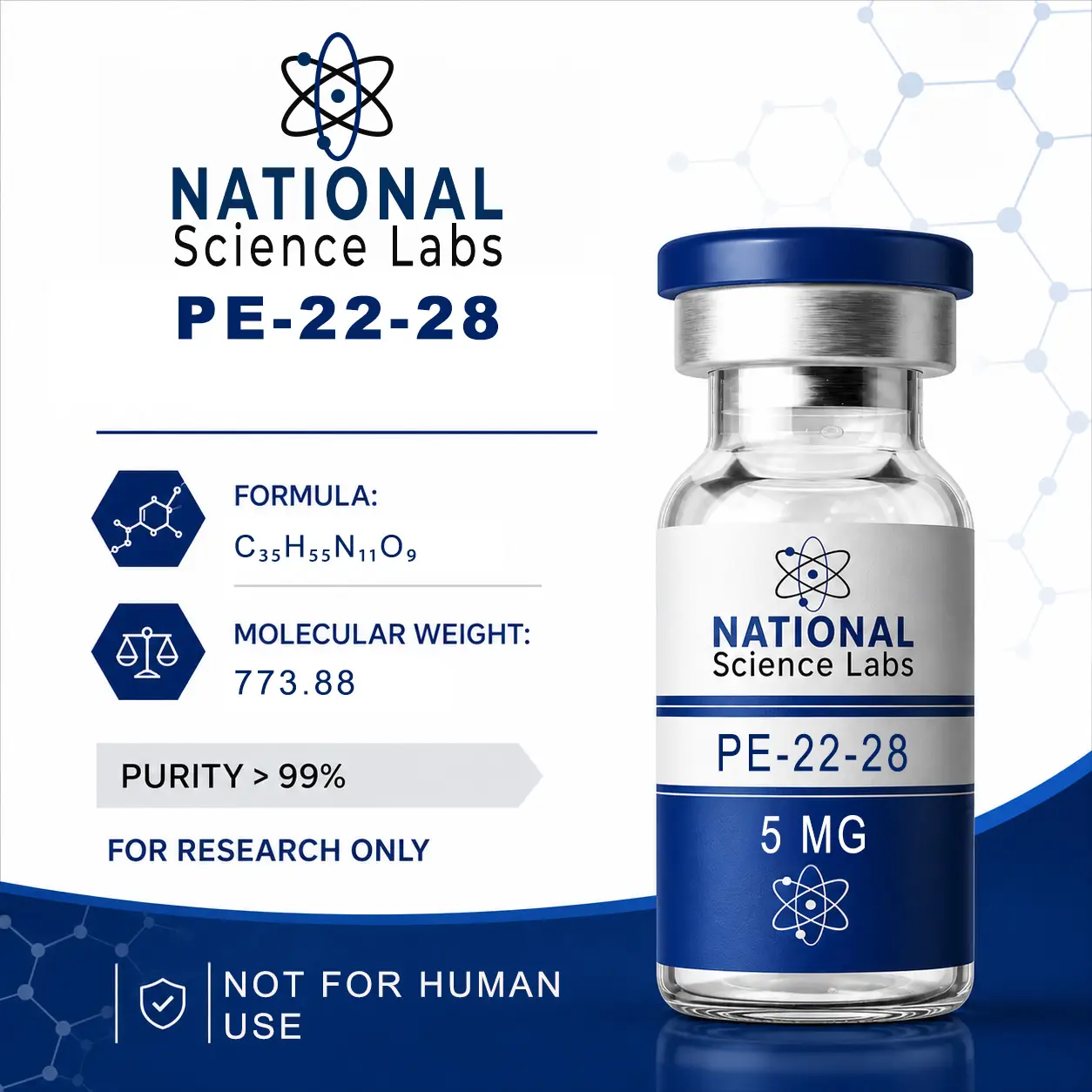
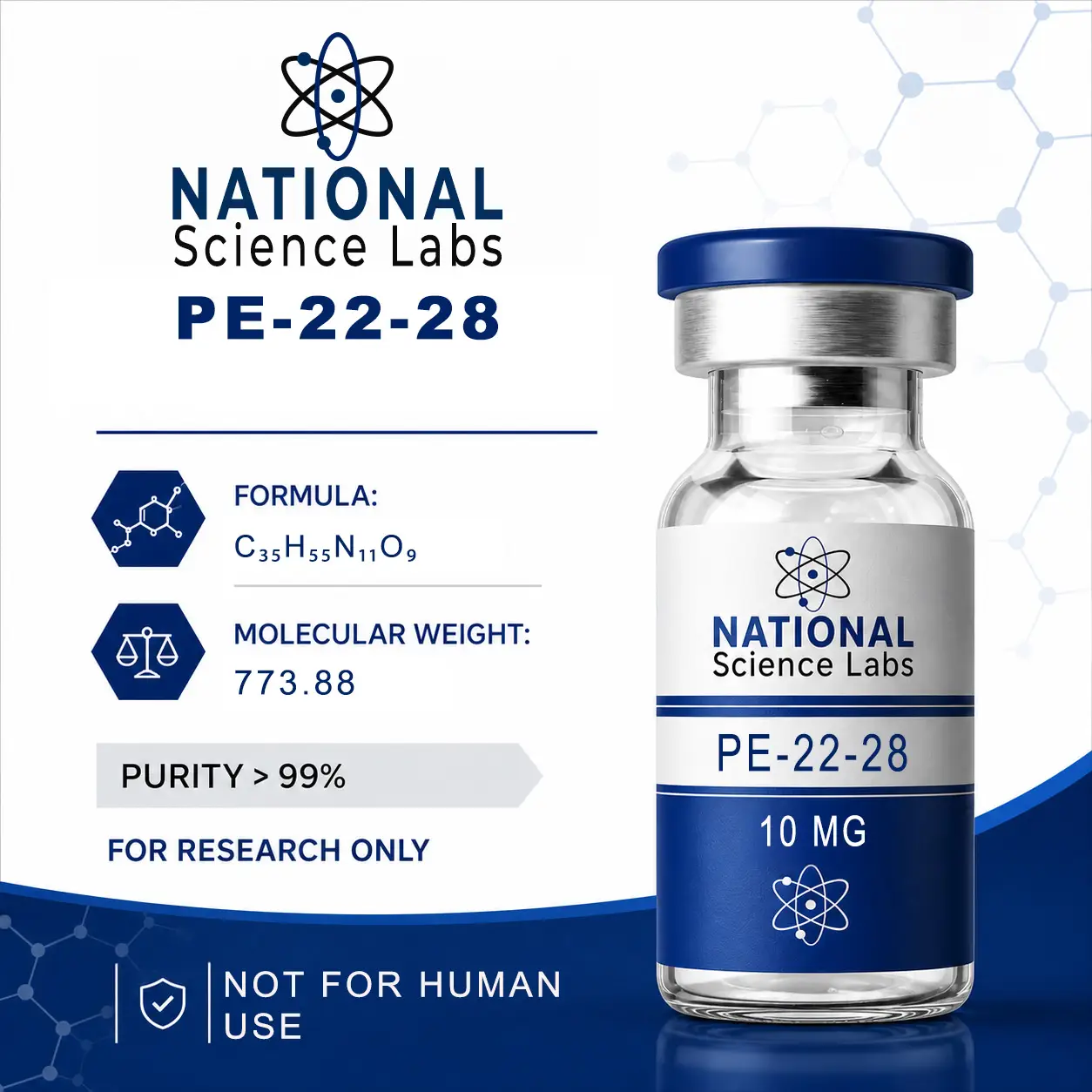
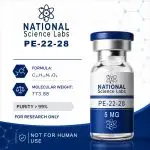
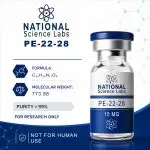

Researchers apply PE-22-28 to selectively antagonize TREK-1 channels, resulting in enhanced neuronal depolarization and increased firing rates of serotonergic neurons in midbrain models. Pre-clinical data in rodent systems indicate rapid onset of neuroplastic changes, including elevated markers of synaptogenesis and hippocampal progenitor proliferation.
This shortened spadin analog facilitates exploration of TREK-1’s role in regulating neuronal excitability and adaptive responses to stress in controlled experimental settings.
Scientific Overview of PE-22-28 Applications
Pre-clinical models demonstrate PE-22-28’s potent and selective TREK-1 antagonism:
- High-affinity inhibition of TREK-1 with an IC50 of approximately 0.12 nM in cellular assays, outperforming parent spadin in potency and selectivity. https://pmc.ncbi.nlm.nih.gov/articles/PMC5601071/
- Prolonged in vivo duration of action up to 23 hours in rodent studies, supporting sustained modulation of channel activity without rapid clearance.
- Induction of hippocampal neurogenesis within 4 days, evidenced by increased BrdU-positive cells and enhanced progenitor proliferation in dentate gyrus models.
- Elevation of synaptic protein expression, including PSD-95 and BDNF levels in cortical and hippocampal neurons, promoting synaptogenesis markers.
- Reduction in immobility time in forced swimming test paradigms, reflecting behavioral adaptations in stress-response models.
- Maintenance of selectivity for TREK-1 over related channels such as TREK-2 and TASK-1, with absence of notable cardiac side effects in relevant models.
For additional context on TREK-1 channel modulators and neuroplasticity research, refer to the Peptide Sciences or About Peptides sections.
Why Investigators Select National Science Labs PE-22-28
National Science Labs manufactures PE-22-28 under stringent GMP-compliant protocols to deliver batch-to-batch consistency and reliability for pre-clinical protocols. Independent third-party testing confirms each lot for:
- Purity ≥99.9% by HPLC
- Structural identity verification
- Complete Certificate of Analysis (CoA) documentation provided per batch
For Research Use Only. This product is supplied exclusively for in vitro and in vivo pre-clinical research by qualified investigators. Statements about this peptide have not been evaluated by the FDA.
Initiate Your PE-22-28 Research Protocol
Source high-purity PE-22-28 from current limited batches to ensure optimal stability and performance in TREK-1 modulation and neuroplasticity studies.